Tuesday, April 4, 2023

How to Use Icon Fonts in WordPress Post Editor (No Code)

Do you want to use icon fonts in the WordPress post editor?

Icon fonts allow you to easily use images and symbols in text. They are lightweight and won’t slow down your site, and they can be easily scaled to any size and styled like any other text font.

In this article, we’ll show you how to easily use icon fonts in the WordPress post editor without writing any HTML code.
Using icon fonts in the WordPress editor

We’ll show you multiple methods, each one using a slightly different approach than the other. You can choose one that works best for you.

Method 1. Adding Icon Fonts in WordPress Post Editor using JVM Rich Text Icons

This method is recommended to use on any kind of WordPress website. It is easy to use and works seamlessly with the block editor.

First, you need to install and activate the JVM Rich Text Icons plugin. For more details, see our step-by-step guide on how to install a WordPress plugin.

Upon activation, you can simply edit a WordPress post or page or create a new one. Inside the post editor, add a new paragraph block, and you’ll see a new Flag icon in the block toolbar.
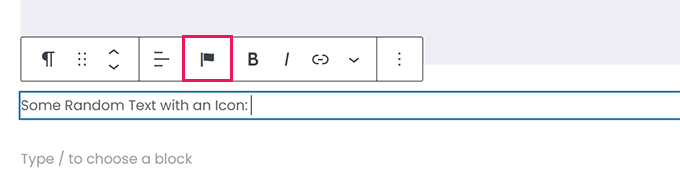
Icon font button in the block toolbar

Clicking on it will show a popup of icons to choose from. It uses the popular Font Awesome icon fonts by default.

You can use the search to look for an icon or simply scroll down to find the icon you want, and then click to add it.
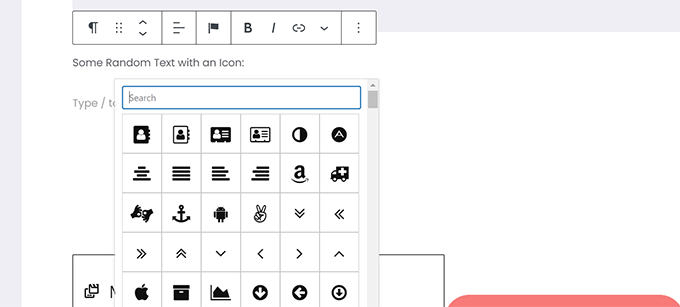
Choose icons to insert

One advantage of using icon fonts is that you can use CSS to style them.

However, since you are already using the block editor, you can simply use the built-in color tools to style the icons.
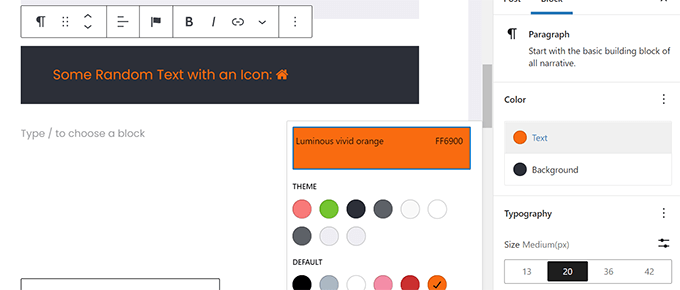
Style icon fonts using block editor tools

The plugin allows you to use icon fonts in most text blocks such as Paragraph, List, Button, Columns, Cover, and more.

Here is an example of using icon fonts and block options to style three columns.
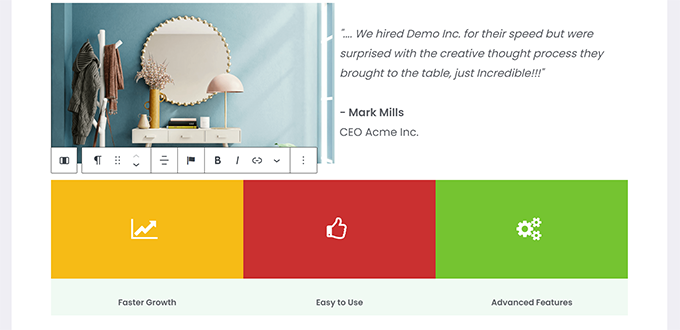
Icon fonts in columns

Another useful example of using icon fonts is with buttons.

This time we are using inline icon fonts alongside some text for the two buttons.

Using icon fonts in buttons and lists

Feel free to use the block editor tools like text alignment, colors, spacing, and more to get the most out of the icon fonts.

Method 2. Add Icon Fonts in WordPress Post Editor with Font Awesome

This method requires you to add shortcodes in the post editor to display icon fonts. You can use this method if you don’t need to regularly use icon fonts in your WordPress posts and pages.

First, you need to install and activate the Font Awesome plugin. For more details, see our step-by-step guide on how to install a WordPress plugin.

Upon activation, you can edit a post or page in WordPress and use the following shortcode to add a font icon.

[icon name="home"]
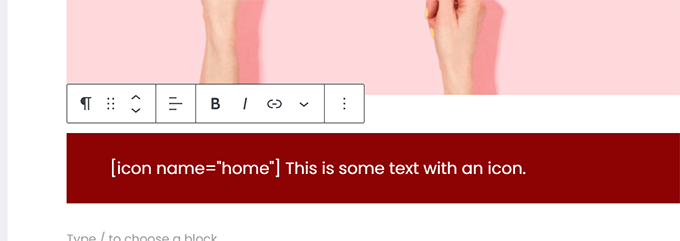
Adding icon fonts using shortcode

The name parameter here is the name of the font used by Font Awesome. You can find the entire list on the Font Awesome cheatsheet page.

Once added, you can preview your post or page to see how the icon will look on the live site since it will not display as an icon in the block editor.

This is how it looked on our test site.
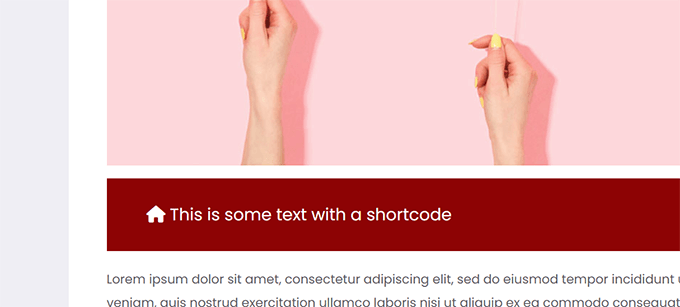
Font icon preview

You can use the shortcode inside a paragraph and inline with other text. You can also add it on its own using the ‘Shortcode’ block.

However, using the ‘Shortcode’ block will not give you the styling options you’ll get with other text blocks.

You can also add the shortcode inside columns to create a features row.
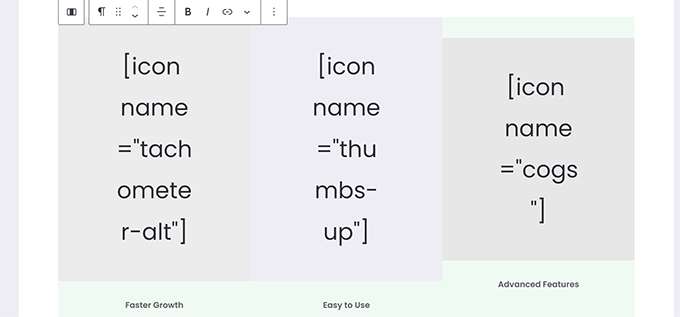
Shortcode in columns

It would be a bit trickier as you will not be able to see the actual images, and the column heights will keep changing within the editor.

Here is how it looked on our test website. The columns are the same height, even though they are not in the editor.
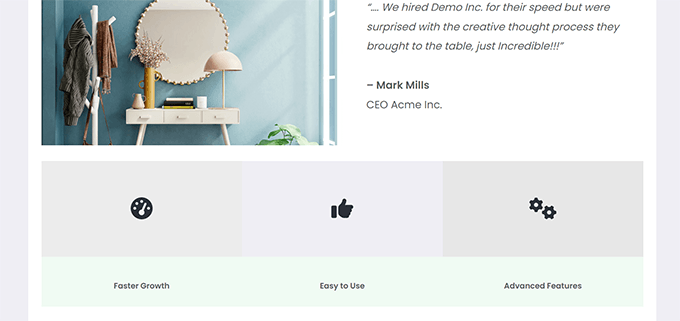
Icon fonts preview using Font Awesome

You’ll probably have to preview your work in a new browser tab many times to see how it will look to users.

Method 3. Using Icon Fonts with WordPress Page Builders

This method is great if you are creating a landing page or designing your website using a WordPress page builder like SeedProd.

SeedProd is the best WordPress page builder on the market. It allows you to easily create beautiful landing pages or design your complete website.

SeedProd WordPress Website Builder

First, you need to install and activate the SeedProd plugin. For more details, see our step-by-step guide on how to install a WordPress plugin.

Upon activation, you’ll be asked to enter your plugin license key. You can find this information under your account on the SeedProd website.
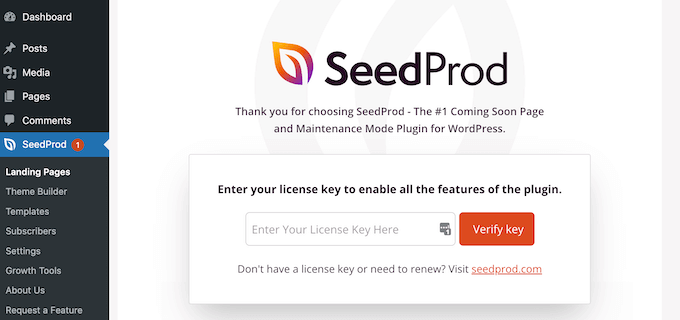
SeedProd license key

After entering your license key and clicking ‘Verify Key,’ you can start working on your landing page.

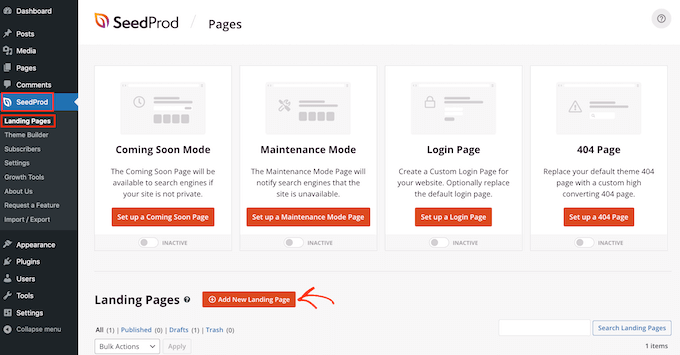
Simply go to the SeedProd » Landing Pages page and click on the ‘Add New Landing Page’ button.
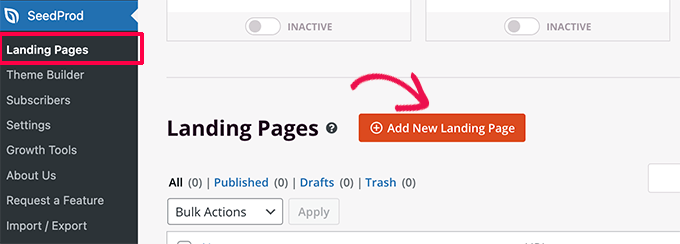
Add new landing page

After that, you will be asked to choose a template for your landing page.

SeedProd comes with a bunch of beautiful designs that you can use as a starting point, or you can start with a blank template and design the whole thing yourself.
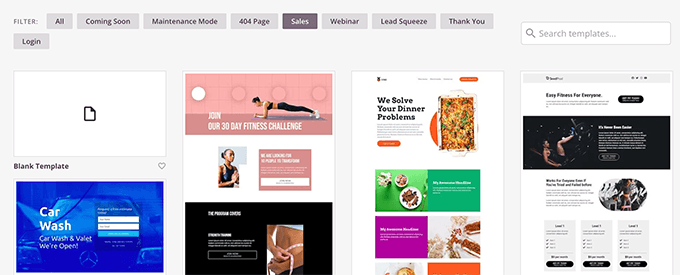
Choose landing page template

For this tutorial, we will be using a pre-designed template. Simply click on a template to select it and continue.

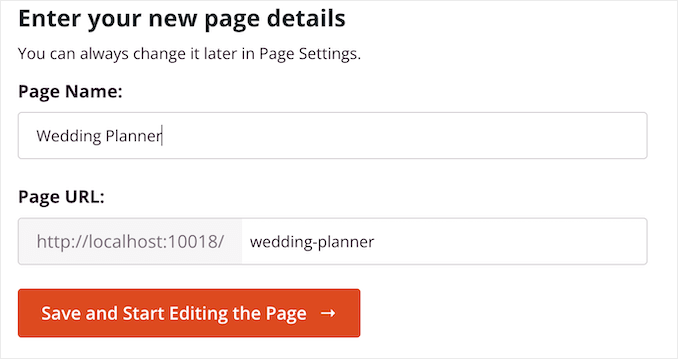
Next, you will be asked to provide a title for your landing page and choose a URL.
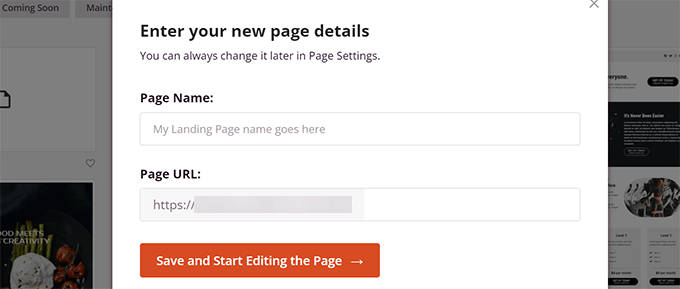
Provide page title and URL

After entering them, click on the ‘Save and Start Editing the Page’ button to continue.

SeedProd will now launch the page builder interface. It is a drag-and-drop design tool where you can simply point and click on any item to edit it.

SeedProd page builder interface

You can also drag and drop blocks from the left column to add new elements to your design.

For the sake of this tutorial, we are going to add the Icon block.

Add icon block

After you add the block, you can simply click to edit its properties.

The left column will change to show the options for the Icon block. You can click into the ‘Icon’ section to the left and choose a different icon image or change the color and style.

Icon block settings

Another way to use icons in SeedProd is by adding the ‘Icon Box’ block.

The difference between this and the ‘Icon’ block we used previously is that ‘Icon Box’ allows you to add text along with your chosen icon.

This is one of the most common ways to use icons when displaying product features, services, and other items.

Icon box block

You can place your icon box inside columns, choose colors, and adjust the icon size to your liking.

Additionally, you can also format the accompanying text using SeedProd’s formatting toolbar.
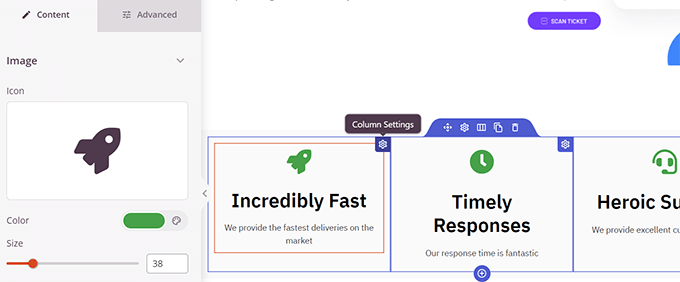
Icon box inside columns

Once you are finished editing your page, don’t forget to click on the ‘Save’ button at the top right corner of the screen.

If you’re ready, you can click ‘Publish’ for the page to go live, or you can click on ‘Preview’ to make sure it looks like you want it to.
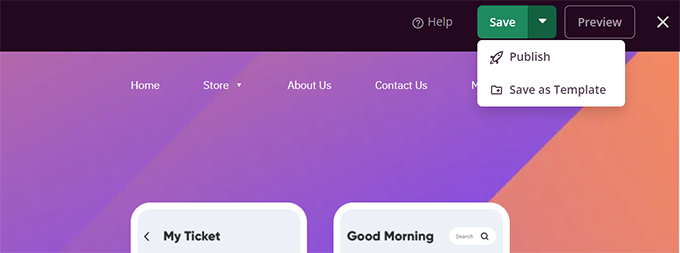
Save and publish your landing page

You can also click on ‘Save as Template’ so you can reuse this design with SeedProd on other parts of your website.

Here is how the icon fonts looked on our test website.

Icon fonts preview

We hope this article helped you learn how to use icon fonts in WordPress post editor without writing HTML code. You may also want to see our WordPress performance guide to optimize your website speed or the best landing page plugins for WordPress.

If you liked this article, then please subscribe to our YouTube Channel for WordPress video tutorials. You can also find us on Twitter and Facebook.

The post How to Use Icon Fonts in WordPress Post Editor (No Code) first appeared on WPBeginner.


April 05, 2023 at 01:00AM

How to Create a Custom Shape Divider in WordPress

Do you want to add custom shape dividers to your WordPress website?

Shape dividers can organize your content in an engaging and eye-catching way. They can also highlight your site’s most important content, so visitors and customers don’t miss out on crucial information.

In this article, we will show you how to create a custom shape divider in WordPress.

How to create a custom shape divider in WordPress

Why Create a Custom Shape Divider in WordPress?

A shape divider is a type of section divider that you add between blocks of content.

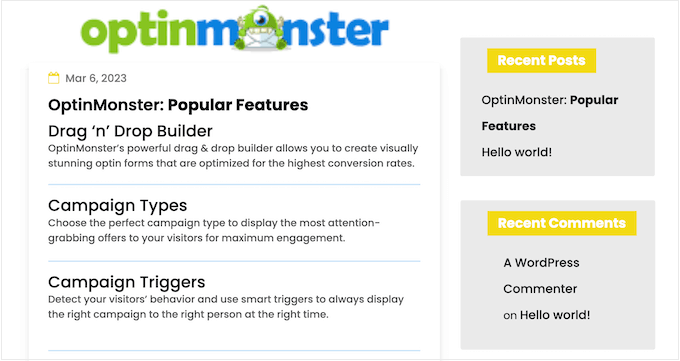
These dividers can be simple, such as a horizontal line created with built-in WordPress blocks.

A custom shape divider, created using the built-in WordPress tools

You can use these basic dividers to organize and separate content, which is particularly useful on pages that cover lots of different topics.

You can also create more advanced shape dividers using page builder plugins and other web design software. These can highlight your site’s most important content so it stands out to visitors and customers.

A custom shape divider, created using SeedProd

A professional-looking shape divider can also make a page more interesting and engaging.

For example, you might use them to create a unique background for your email newsletter signup form.

How to create a custom shape divider using SeedProd

With that being said, let’s see how you can create a custom shape divider in WordPress. Simply use the quick links below to jump straight to the method you want to use.

Method 1. Create a Simple Shape Divider (No Plugin Required)

The easiest way to add a custom shape divider to WordPress is by using the built-in Separator block.

This method allows you to add a horizontal line separator in between any WordPress blocks, and then customize the line’s color and style.

A custom divider created using the WordPress block editor

This method doesn’t let you add different shapes to WordPress and has limited customization settings. However, you won’t need to install an extra WordPress plugin, so this is the easiest way to add a simple shape divider to your website.

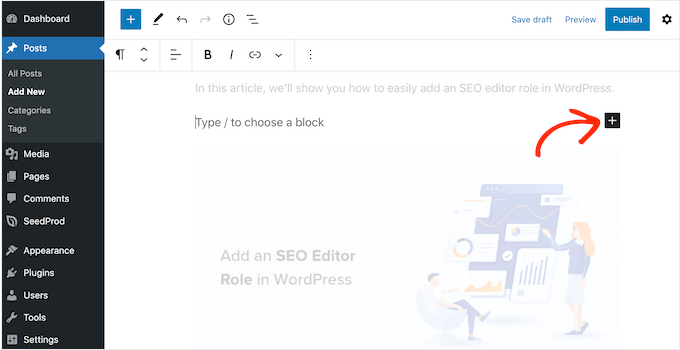
To get started, simply open the post or page where you want to add an horizontal divider in the content editor. Then, click on the ‘+’ button where you want to place that divider.

Adding a Separator block to WordPress

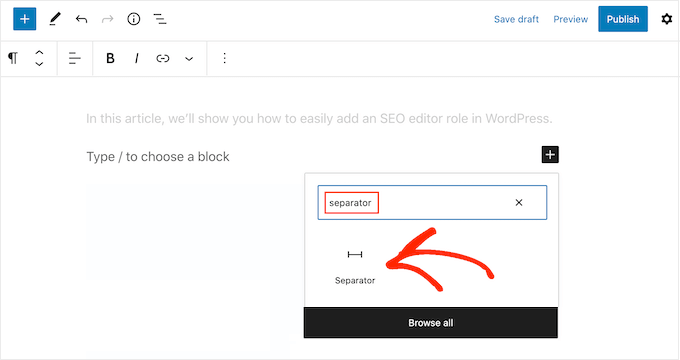
In the popup, type in ‘Separator.’

When the right block appears, click to add it to the page or post.

Add a custom shape divider to a WordPress website

To customize the default Separator block, give it a click and then use the settings in the right-hand menu.

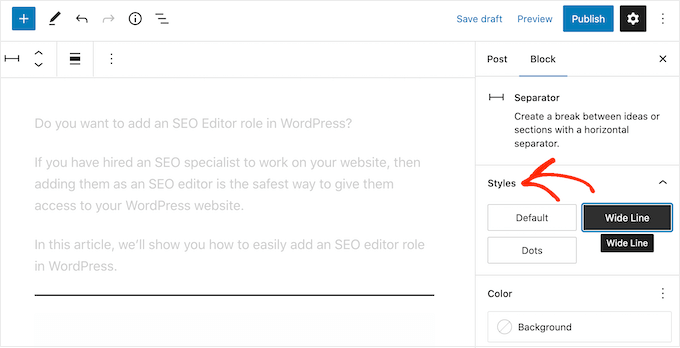
You can switch between default, wide line, and dots using the buttons in the ‘Styles’ section.

Adding different line styles in WordPress

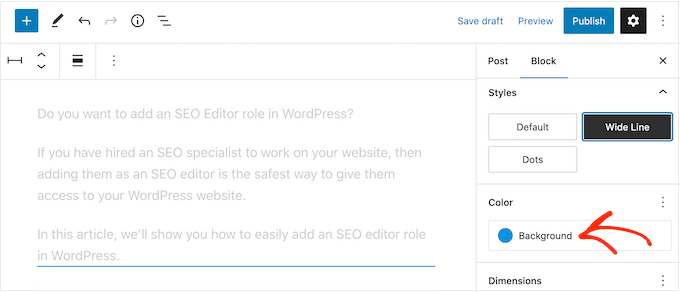
You can also change the line’s color so that it matches the rest of your theme or branding.

To do this, click on ‘Background’ and then choose a color from the popup that appears.

How to style the Separator block in WordPress

When you’re happy with how the divider looks, you can either click on the ‘Publish’ or ‘Update’ button to make the shape divider live.

If you are looking to use different shape and customize every part of your dividers, then we recommend using the SeedProd plugin.

SeedProd is the best WordPress page builder plugin on the market, and it allows you to add a custom shape divider to any section, row, or column using a simple drag-and-drop editor.

Creating a custom shape divider in WordPress

It also comes with over 180 professionally-designed templates and more than 90 blocks that you can use to create beautiful custom home pages, landing pages, and more.

Note: There is a free version of SeedProd on available on WordPress.org, but we’ll be using the Pro version since it comes with a wide range of shape dividers.

The first thing you need to do is install and activate the SeedProd plugin. For more details, see our step-by-step guide on how to install a WordPress plugin.

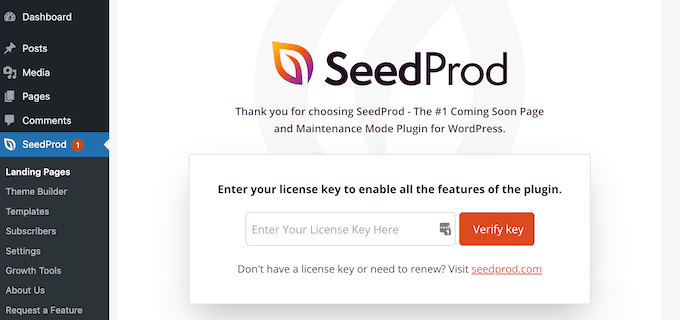
Upon activation, you need to enter your license key.

Adding a license key to the SeedProd page builder

You can find this information under your account on the SeedProd website. After entering the license key, click on the ‘Verify Key’ button.

With that done, go to SeedProd » Pages and click on the ‘Add New Landing Page’ button.

How to create a new landing page design using SeedProd

After that, it’s time to choose a page design template. SeedProd has a ton of professionally-designed templates that you can fine-tune to perfectly suit your WordPress website.

To select a template, simply hover your mouse over it and then click the ‘Checkmark’ icon.

Choosing a page design template for your WordPress website

Next, go ahead and type in a name for the page. SeedProd will automatically create a URL based on the page’s title, but you can change the URL to anything you want.

For example, you may want to add some relevant keywords, which will help search engines understand what the page is about and may improve your WordPress SEO.

When you’re happy with the information you’ve entered, click on the ‘Save and Start Editing the Page’ button.

Creating a custom landing page using SeedProd

Next, you’ll be taken to the drag-and-drop page builder, ready to customize the template.

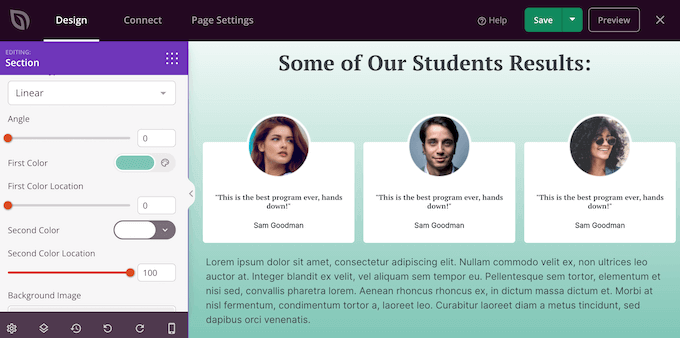
The SeedProd editor shows a live preview of your design to the right and some block settings on the left.

The SeedProd drag and drop page builder

The left-hand menu also has blocks that you can drag onto your layout.

For example, you can drag and drop standard blocks like buttons and images or use advanced blocks such as the countdown timer, contact form, social sharing buttons, and more.

Adding blocks to a WordPress page builder

To customize a block, just click to select it in your layout.

The left-hand menu will then show all the settings you can use to configure that block. You can also change the page’s background colors, add background images, or change the color scheme and fonts to better match your brand.

Customizing the background color in WordPress

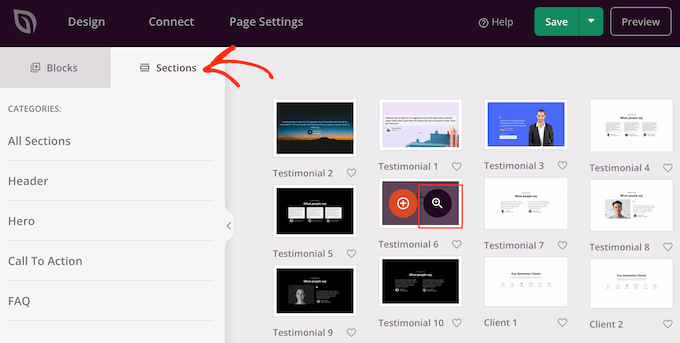
SeedProd also comes with ‘Sections,’ which are collections of blocks that are often used together. For example, SeedProd has a header section, hero image, call to action, customer testimonialsFAQs, features, footer sections, and more.

To look through the different sections, simply click on the ‘Sections’ tab.

Adding a Section to a custom page template

You can move sections and blocks around your layout using drag and drop.

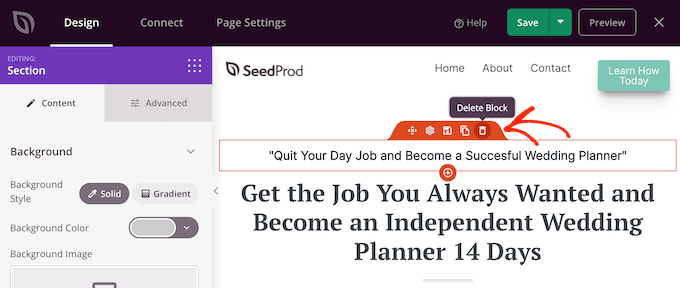
If you want to delete a block, then simply hover over it and then click on the trash can icon when it appears.

Deleting blocks from a custom page design

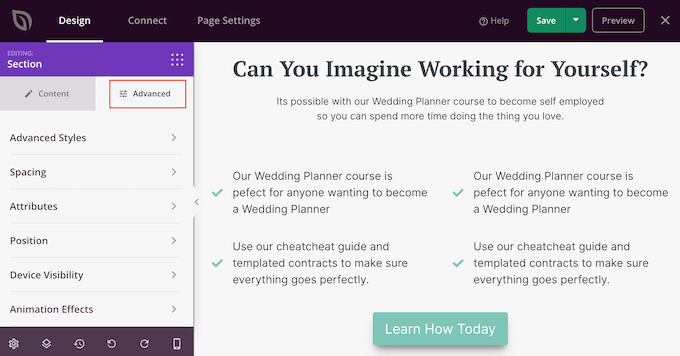
Whether or not you choose to use a SeedProd section, you can now create a custom shape divider. Simply click to select the section, row, or column where you want to add the divider.

Then, click on the ‘Advanced’ tab in the left-hand menu.

SeedProd's 'Advanced' settings

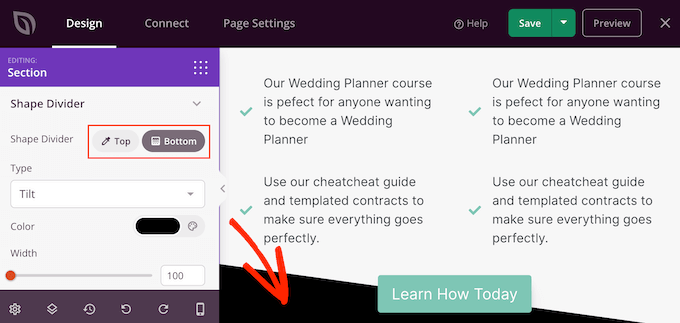
Now, click to expand the ‘Shape Divider’ section.

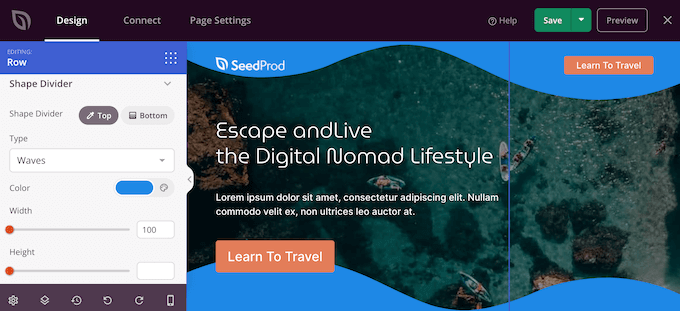
To start, you can choose where to show the shape divider by selecting either the ‘Top’ or ‘Bottom’ button.

Adding a custom divider to the bottom of a WordPress block

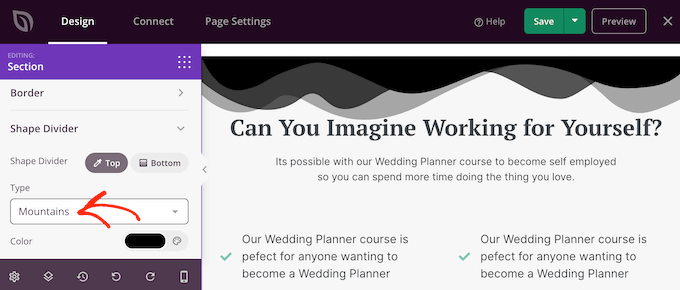
You can now open the ‘Type’ menu and choose the shape divider that you want to use.

As you select different shapes, the live preview will update automatically so you can try different styles to see what looks the best.

Adding custom shape dividers to a custom landing page

After choosing a shape divider, you can style it using the new settings.

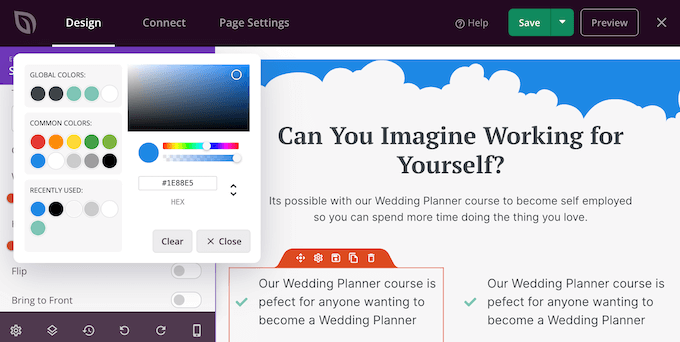
To start, you can click on ‘Color’ and then choose a new color from the popup that appears.

Adding a color to a custom shape divider in WordPress

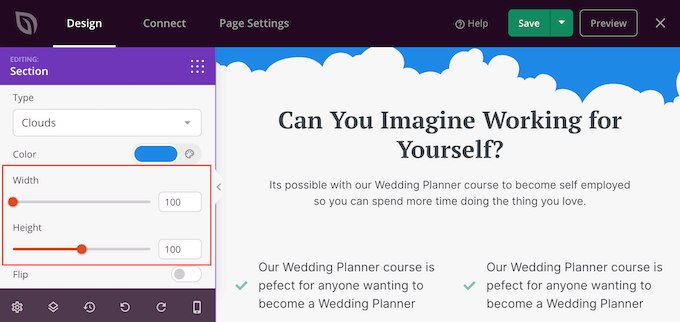
With that done, you can make the divider bigger or smaller by dragging the ‘Width’ and ‘Height’ sliders.

If you already have a specific size in mind, then you can type those numbers into the boxes.

Create a custom shape divider in WordPress

You can also try flipping the divider by clicking to enable or disable the ‘Flip’ switch.

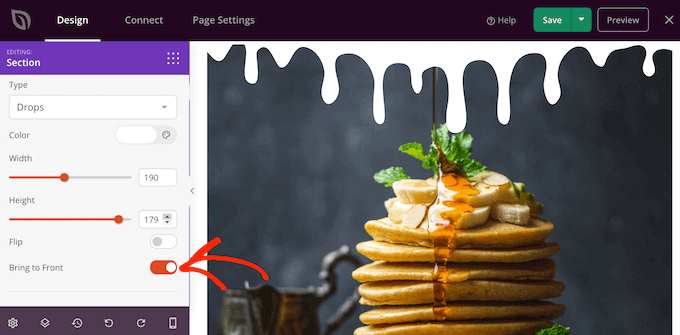
By default, the divider will appear behind the rest of the content, so users can clearly see any text, images, or other content that overlaps the divider.

However, moving the shape to the front can create some interesting effects. If you want to see how this looks, then simply click to enable the ‘Bring to Front’ switch.

Bringing the custom shape divider to the front

To add more dividers simply follow the same process described above.

You can even add a shape divider to the top and bottom of an area, which often creates some impressive and eye-catching results.

Adding multiple custom shape dividers to a single section

You can continue working on the page by adding more blocks and customizing those blocks in the left-hand menu.

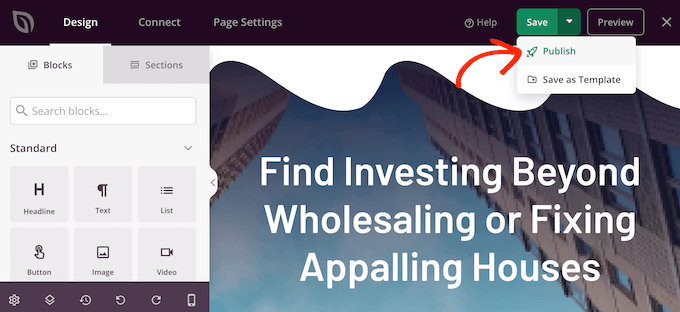
When you’re happy with how the page looks, click the ‘Save’ button. You can then select ‘Publish’ to make that page live.

Publishing a custom shape divider

How to Add Shape Dividers to a WordPress Theme

SeedProd’s drag-and-drop editor gives you the freedom to add a unique shape divider to any page. However, sometimes you may want to use the same shape dividers on multiple pages, or even across your entire WordPress blog or website.

This will help you create a consistent design and can also save you a ton of time. In this case, we recommend adding a shape divider to your theme using the SeedProd theme builder.

With SeedProd, you can create a custom WordPress theme without writing any code. It creates all the files that make up your theme, including the sidebar, header, footer, single posts, and more.

The SeedProd theme builder

You can then customize these files using the familiar drag-and-drop builder. This includes adding shape dividers by following the same process described above.

When you activate the new theme using SeedProd, it will overwrite your existing WordPress theme, so you should only use this method if you want to replace your current theme.

For detailed step-by-step instructions, please see our guide on how to easily create a custom WordPress theme.

We hope this tutorial helped you learn how to create a custom shape divider in WordPress. You may also want to learn how to increase your blog traffic, or see our expert pick of the best social proof plugins for WordPress.

If you liked this article, then please subscribe to our YouTube Channel for WordPress video tutorials. You can also find us on Twitter and Facebook.

The post How to Create a Custom Shape Divider in WordPress first appeared on WPBeginner.


April 04, 2023 at 03:12PM