Monday, October 7, 2019

How Many WordPress Plugins Should You Install? What’s too many?

We are often asked by readers about how many WordPress plugins should they install on their site? The real question everyone wants to know is how many plugins are too many?

Since there are a lot of misconceptions about WordPress plugins, and how they can impact website speed, performance, and security, we want to explain this topic in details for our non-techy users.

In this article, we will explain how many WordPress plugins should install on your site. We will also talk about how plugins can and cannot affect your website. Our goal is to help you learn how to run your website with the perfect combination of WordPress plugins.
How many WordPress plugins can you install on your website?

About WordPress Plugins and How They Work

Before we dig deeper, let’s talk a little bit about WordPress plugins and how they work.

WordPress plugins are like apps for your website. They help you add new features and website functionality such as making an online store, adding contact forms, and more.

Like WordPress itself, plugins are also written in the PHP programming language. PHP code runs on your website’s hosting server and utilizes its resources.

This is why you must choose a good WordPress hosting company that gives you easy tools to manage those resources and run your website efficiently.

To learn more, see our detailed guide about how WordPress plugins work. If you want to dig even deeper, then take a look at how WordPress actually works behind the scenes (Infographic).

Ever since WordPress 1.2 (when support for WordPress plugins was added), plugins have been a blessing for users. WordPress without plugins is like a toy store with no toys. That’s no fun.

Why are Plugins Essential for WordPress Websites

Why you need plugins

Even though the WordPress core provides a strong publishing framework, it is the plugins that are widely responsible for making WordPress the most popular website builder in the world.

The number of total WordPress plugins available has grown over the years. At the time of writing this article, there are more than 54,000 free WordPress plugins available in the official plugins directory.

Apart from these free plugins, there are also thousands of premium WordPress plugins sold by third-party companies and developers.

Plugins can help you improve SEO, increase security, manage users, and more. It would be quite difficult to grow your business without using WordPress plugins on your website.

How Did WordPress Plugins Get a Bad Reputation

How plugins got bad rep

The purpose of plugins is to extend WordPress to do almost anything you can imagine. However, now we see a sense of fear or restraint towards plugins from many beginner users.

People get worried about performance, security, reliability, etc. This is mainly because designers, developers, and web hosting support technicians get really frustrated when they are troubleshooting a client’s websites.

In their frustration, they make comments like ‘have fewer plugins‘, or ‘it is the plugins that are slowing down your site‘.
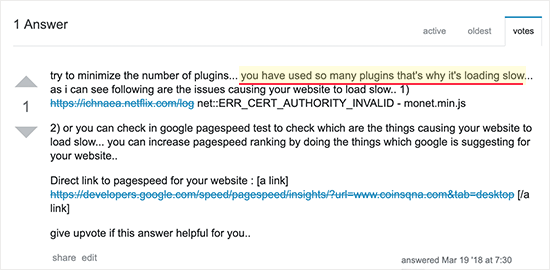
A developer blaming plugins for slow site

These statements have resonated throughout social media, in-person meetups, and conferences. The biggest issue with those statements is their ambiguity.

What is less? How many WordPress plugins are too many?

We believe the problem is not the quantity of plugins, but rather the quality.

You can have dozens of good WordPress plugins running on your website without any issues, but an addition of a single poorly coded plugin can slow down your website.

When this happens and you ask for troubleshooting help, your hosting company support technician or another developer will blame the quantity of plugins.

This makes sense because troubleshooting a website with 5 plugins is much easier than troubleshooting a website with 30. Quantity of plugins make their job harder.

It’s extremely important to take any such advice resulting from frustration with a bit of caution.

You should politely ask them to identify which specific plugin is causing the issue because simply blaming the quantity is a result of laziness.

To put this in perspective, our WPBeginner website has 62 active plugins right now, and it loads extremely fast.

If we were to add one bad plugin that slows down the website, then we should only have to disable that one bad plugin (not all 62).

With that said, let’s take a look at how plugins can affect different aspects of your website.

How WordPress Plugins Impact Website Speed & Performance

WordPress plugins and website performance

There are many different types of WordPress plugins, and they each impact your website performance differently.

There are plugins that affect mainly the front-end. For example, page builder plugins, contact forms, galleries, sliders, etc.

Then there are plugins that are mainly made to perform tasks within the back-end or admin area. For example, WordPress backup plugins, editorial plugins, various background processes, etc.

There are also plugins that run everywhere including admin area and front-end. For example, SEO plugins, WordPress firewall plugins, and more.

A WordPress plugin’s impact on website speed and performance depends on where that plugin is being loaded.

For example, plugins that are only loaded when you are doing specific tasks in the WordPress admin area usually will not impact your website’s performance.

On the other hand, plugins that are loaded on the front-end are likely to have a larger performance footprint.

Also plugins that perform routine background processes like broken link checking, 404 monitoring, etc can also significantly slow down your overall website performance.

Plugins can impact your site performance by:

  • Making additional HTTP requests – Some plugins (mainly front-end ones) may require custom styling or scripts to work properly. Because of this, they may add extra JS and/or CSS file(s). Loading these files require making additional HTTP requests which slows down your page load time.
  • Additional DB Queries – Some plugins may increase your database queries. For example, plugins to display popular posts, related posts, or anything else that pulls database elements and displays it on the front-end.
  • Background Processes & Database Writes – Some plugins can take up a lot of server resources while running background processes such as checking for broken links, monitoring and recording analytics like post views, etc.

Most good WordPress plugins will only load additional files when needed, and they will minimize the database calls. However, sometimes it is just unavoidable.

Luckily, there are optimizations available for most cases. Let’s take a look at a short term and a long term fix for these issues.

Before we do this, first make sure that you have caching enabled on your WordPress site. Without caching, your website will always be slow.

Now, let’s move on to other optimizations.

Fixing Additional HTTP Requests Issue

Plugins have to add additional HTTP requests (i.e JS and CSS file) to work out of the box. For example, when you install a contact form plugin, you want it to work and look good too.

People complain about additional HTTP requests while ignoring that they are sometimes necessary. Here is what an unstyled form would look like.

Contact form without styling

Most users would not like it, some would even think that it’s broken. Well, that is exactly what would happen if the contact form doesn’t add the additional HTTP requests to load CSS and JS files.

In short, the additional styles and scripts are needed for the plugin to function properly.

There are three ways to optimize the additional HTTP requests issue. All of them require some coding knowledge and WordPress know-how, but one will method is definitely easier than the others.

The first method would be to unregister the additional styles and scripts that are being loaded by the plugin. After that you can combine the plugin styles into your theme’s style.css file and combine the plugin scripts into your theme’s main JavaScript file.

The second method would be to conditionally load the plugin styles/scripts on pages where they are needed.

We have already explained both methods in our article about disabling additional scripts and stylesheets that WordPress plugins add.

As for folks who are not code-savvy, you can use a premium caching plugin like WP Rocket which allows you to minify and combine files with a single click. This will work for most cases, but in some cases it can cause conflicts with specific plugins.

With that said, you must understand that a few additional HTTP requests are not as significant as you may think. We are talking about milliseconds here. However if you have a lot of plugins that are adding additional HTTP requests, then this optimization will allow you to shave a few seconds off your load time.

A lot of non-techy business owners simply hire a WordPress developer from Codeable to speed up their website (which is a worthwhile investment).

Now that we have covered HTTP requests, let’s take a look at additional DB queries.

Fixing Additional Database Queries and Background Processes

Some plugins may increase the load on your database server. WordPress itself does a very good job at caching the queries and most well-coded plugins will not cause any significant issue.

However, if you have a high traffic website, then using database-driven plugins can become an issue especially if you don’t have proper server resources.

For example if you have a membership website or an online store with WooCommerce, then you are serving a lot of uncached requests. In this scenario the only real option is to use a managed WordPress hosting solution or even a specialized WooCommerce hosting solution.

Now there are some plugins that are extremely resource intensive, and you should avoid them at all costs.

For example, there are plugins that add various analytics functionality within WordPress such as some email opt-in plugin, website stats plugin, post views tracking plugin, etc. These plugins inefficiently write to the database on every page load which can significantly slow down your website.

You can track analytics in a more scalable manner with plugins like Google Analytics for WordPress by MonsterInsights or Jetpack Stats.

You can add email opt-in forms with more scalable tracking with plugins like OptinMonster or by using signup forms from your favorite email marketing services.

There are also plugins that monitor 404 errors and track broken links which can add heavy load and overwhelm the server resources. Instead of using those plugins, you should use a third-party cloud services like Ahrefs or SEMRush that automatically track broken links and offer a lot of other useful SEO insights as well.

If you don’t want a premium solution, then you can use a free tool like Broken Link Check which lets you check 300 pages at a time for broken links.

How WordPress Plugins Impact Security

How plugin can impact WordPress security

Security is another major concern when it comes to installing WordPress plugins. Many users worry that having more plugins can make their site more vulnerable.

It is true, that a poorly coded WordPress plugin can be exploited by hackers and make your site vulnerable. However, it is also true for just about every software that exists.

Oversights are bound to happen. However, the best part about open source is that many people are using the software, which makes it faster for a vulnerability to be discovered and fixed.

You can keep your website secure by using a WordPress security plugin like Sucuri. They scan thousands of websites and will help you catch most security problems with a vulnerable plugin.

You can also protect your website by improving your overall WordPress security. This allows you to add layers of security before any vulnerability can be exploited by hackers.

WordPress Plugins and Reliability
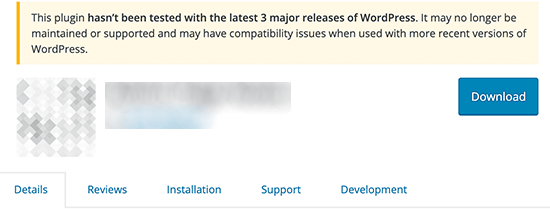
An abandoned plugin

Some folks are concerned about a plugin’s reliability. What if the plugin gets discontinued? What if the updates are slow?

The beautiful part about the open source WordPress ecosystem is that there are always alternatives.

If you use a popular plugin, chances are that it will not be discontinued. If it is, then someone else will likely fork it and continue the development. That’s the power of open source. This is also how WordPress came into existence (previous platform was called b2/cafelog).

As long as you pick plugins with a good track record and reputable authors, then you will be fine.

Can I Avoid Plugins by Adding Code Snippets?

There are articles throughout the web that shows you: “How to do XYZ in WordPress without a plugin” (like this one).

The purpose of these articles is not to discourage using plugins but to show you how to learn code. There are basically three ways you can add code snippets to your site. You can add them to your functions.php file, a site-specific plugin, or use a plugin to add custom code snippets.

Regardless of which method you choose, adding code snippets to your website has the same performance impact as a stand-alone plugin.

If you install code snippets that are identical to a plugin, then basically you are running the plugin without installing it. The downside is that you won’t get any plugin updates or security fixes for that code.

For more information on this topic, see our guide on WordPress plugin vs functions.php file which one is better.

How Many WordPress Plugins Should You Install? How many WordPress Plugins are too many?
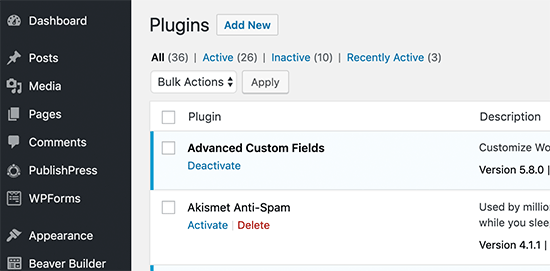
How many plugins to install

You should install as many WordPress plugins as necessary to run your website and grow your business.

On average, its quite common for a business website to have at least 20 – 30 plugins.

If you’re using WordPress to it’s full potential and have many advanced features, then this count can easily go into 50+.

For example, here’s the number of active plugins on our websites:

These count should highlight that it’s not the quantity of plugins that slow down your website.

You will be fine with a large number of plugins, as long as you are using high-quality plugins that follow the WordPress coding standards.

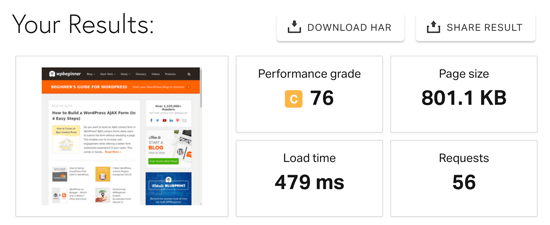
Here is our website’s performance result via Pingdom.
WPBeginner Homepage Pingdom

Despite using dozens of plugins and custom code snippets, our website still loads in half a second (479 milliseconds).

How to Pick the Best WordPress Plugins?

One of the most frequently asked question by our users is ‘how do I choose the best plugins for my website?’

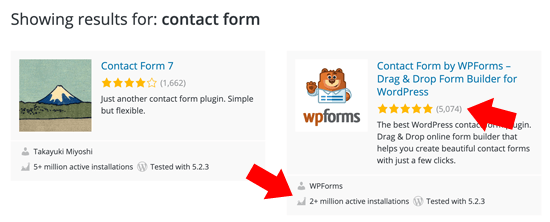
If you are looking for a free plugin, then only download it from WordPress.org plugin directory. The official WordPress plugin directory also makes it easier to choose good plugins.
How to Find the Best WordPress Plugin

You can see a plugin’s rating and reviews provided by other WordPress users. You can also see when the plugin was last updated and how many websites have it installed.

On the other hand, if you are looking into a premium plugin, then make sure they are from a well-reputed WordPress company or developer. If you are unsure, then look around for reviews and testimonials.

For more details, see our complete guide on how to choose the best WordPress plugins.

If you are just starting out, then see our expert-pick of the essential WordPress plugins that every website should have. You can also check out WPBeginner’s WordPress plugins category where we regularly share the best WordPress plugins and how to use them.

We hope this article answered your questions about how many WordPress plugins should you install. You may also want to see our article debunking the most common WordPress myths.

If you liked this article, then please subscribe to our YouTube Channel for WordPress video tutorials. You can also find us on Twitter and Facebook.

The post How Many WordPress Plugins Should You Install? What’s too many? appeared first on WPBeginner.


October 07, 2019 at 05:00PM
Friday, October 4, 2019

7 Best Podcast Hosting for 2019 Compared (Most are Free)

Several of our readers have asked us about finding the best podcast hosting service.

Podcast hosting is different than website hosting because it offers specific tools built to optimize the subscriber experience (we’ll explain more later in the article).

Choosing a reliable podcasting hosting platform is crucial for your podcast because it will help you grow your audience faster while making it easier to manage your podcast files.

In this article, we’ll compare the best podcast hosting companies that you can use. Many of them are free and some charge a small fee because they offer better support and tools.

The best podcast hosting companies compared

What is Podcast Hosting and Why You Need it?

Podcast hosting is a specialized service which offers to store and deliver media files associated with a podcast.

Just like you need a website hosting service to store all your website files, a podcast hosting offers the same service but for your podcast’s media files.

Now you may be wondering, couldn’t I just use my website hosting to store my podcast files as well?

You can do that, but that wouldn’t be good for your website or your listeners.

You see, podcast episodes are large files. Delivering them from the same server will take a lot of server resources.

This would make your website slower, and it can even crash during high load.

If several users start downloading at the same time, then most shared hosting services will simply block the processes that are taking up server resources. This means users will not be able to download your podcast.

And that’s precisely why you need a podcast hosting service.

Why podcast hosting?

These companies specialize in storing and delivering large media files. They are made specifically for podcasters and have specialized tools to handle media files.

You also get support from folks who are specialists in the industry. This makes a huge difference in the long run.

That being said, let’s take a look at the best podcast hosting services that you can use.

Best Podcast Hosting Services

There are many companies offering podcast hosting services. However, we will be looking for the ones that are the easiest to use, offer great tools and support, and of course flexibility in file sizes.

Here are our picks for the best podcast hosting services.

1. Podbean

Podbean

Podbean is the best podcast hosting service provider on the market. They offer unlimited podcast hosting plans with unlimited bandwidth.

It also includes beautiful design tools to host your website with customizable themes. You can also easily embed the Podbean podcast player directly into your WordPress posts and pages.

Aside from that, they also have podcast promotion tools which automatically submit your episodes to all top podcast directories. This allows your audience to use their preferred tools to listen and download podcasts.

Podbean also offers an advertising marketplace which provides opportunities for podcasters to monetize their content. They also have a huge community of podcasters already using Podbean as their podcasting platform.

Pricing: Free Plan with limited storage, paid plans starting from $9 / month with unlimited storage.

2. BuzzSprout

Buzzsprout

BuzzSprout is one of the easiest to use podcasting hosting provider for beginners. They have been in the business since 2009 and has built a strong community of podcasters which includes some of the top podcasters around.

If you are just getting started, then you’ll find it to be incredibly easy to use. Just upload your media file and it automatically takes care of the rest.

They will also automatically submit your episodes to all the top podcast directories which ensures that your podcast is available on all devices and apps.

Their embeddable podcast player looks great and works well on all screen sizes. It shows the cover art, social sharing buttons, forward and backward skip controls, and more.

They also offer a free WordPress plugin which makes embeds even easier.

If you don’t want to make a website, then BuzzSprout can make one for you. You can customize its design and use your own custom domain name.

The downside is that even their paid plans have storage and bandwidth limits.

Pricing: Limited free plan for 90 days. Paid plans start at $12 / month for 3 hours upload.

3. Blubrry

Blubrry

Blubrry offers flexible podcast hosting plans for new and experienced podcasters alike. They offer a popular WordPress podcasting plugin called PowerPress which makes it super-easy to manage a podcast directly from your WordPress website.

Using Blubrry with PowerPress makes it easy to upload your podcast episodes directly to your podcast hosting provider. It also allows you to easily submit your podcast to Apple Podcasts (previously iTunes) and Google Podcasts.

This makes your podcasts easily discoverable on Google Home, Assistant, and Google Podcast app on Android devices.

Blubrry also offers monetization options, podcast statistics, social sharing features, and more.

Pricing: Starting from $12 per month with 100 MB storage each month.

4. Transistor

Transistor

Transistor is a powerful yet easy to use podcast hosting service for professionals and beginners. They offer unlimited podcast hosting plans which means they don’t charge you for hours of upload as some other hosts do.

They make it incredibly easy to simply upload your podcast media and publish it. They also offer podcast analytics, so you can see how each episode performed.

Their embed code allows you to easily add each episode to your WordPress posts and pages. If you don’t have a website, then they can quickly create one for you.

One thing to watch out for is that their plans do limit the number of downloads. Which means you need to upgrade your plan as your podcast grows.

Pricing: Starting from $19 per month for upto 10,000 downloads each month,

5. Smart Podcast Player

Smart Podcast Player

Regardless of which podcast hosting service you choose, you will need a media player to properly embed and display podcasts on your website.

Some podcasting companies have their own embedded players and some don’t. The problem is that they don’t look anywhere as good as smart podcast player, and they definitely don’t have the same customization options.

Smart Podcast Player is the best media player for podcast websites.

It allows you to display a beautiful media player on your website. You can display on individual episode pages for your podcast or on your homepage. Users can browse the episodes, use on-screen controls, share your podcast, and more.

It looks beautiful on all devices and screen sizes. You can also customize its colors to match your website and make it sticky on top or bottom.

Apart from helping you find new listeners, it also helps you grow your email list and increase return visitors to your website.

This tool is used by every top podcaster in the world, and it’s created by Pat Flynn’s team.

Pricing: Starting from $8.09 per month (billed annually)

6. Libsyn

Libsyn

Libsyn is another reliable podcast hosting service provider. They offer an easy to use platform that puts your brand in the center and helps you promote your podcast across different platforms, apps, and devices.

Libsyn started in 2004, which makes it one of the very first podcast hosting service providers. It was created by podcasters for other podcasters and has a large community of users including some of the most influential podcasters.

They offer podcast hosting plans with different storage limits each month but with unlimited bandwidth. They offer monetization options, detailed analytics, and WordPress integration with their plugin called Libsyn Publisher Hub.

Pricing: Starting from $5 per month with 50 MB monthly storage.

7. SoundCloud

SoundCloud

SoundCloud is a popular music and podcast hosting platform. The good thing is that you can embed any podcast epidsode from SoundCloud by simply placing the URL anywhere in your WordPress posts and pages.

SoundCloud is free for up to 3 hours of uploads. Their free plan gives a good starting point for beginners who want to test the waters first.

Their paid plans come with more storage, bandwidth, advanced statistics, monetization and distribution options. It is easy to use but not the most flexible or customizable podcast hosting plan.

Pricing: Free plan with 3 hours of upload limit. Paid plans start from $6 per month.

Which is The Best Podcast Hosting Service?

As you can see that many podcast hosting services offer similar plans with matching features. Some put limits on storage space and some limit downloads.

Considering these factors, we recommend Podbean as the overall best podcast hosting service. Their plans come with unlimited storage and bandwidth with an incredibly easy to use platform. They also allow you to easily promote your podcast across different services.

Our second recommendation Would be BuzzSprout. It is one of the easiest podcast hosting solution perfect for beginners to get started.

How to Start a Podcast?

Apart from a podcast hosting service, you will also need a website. This will be your podcast’s home on the internet where you’ll promote it and help users discover more content.

To make a website, you’ll need a domain name and a website hosting account.

The domain name will typically cost you $14.99 per year and website hosting plans start from $7.99 per month usually paid annually.

Since you are just starting out, you want to save money whenever you can.

Luckily, our friends at Bluehost are offering WPBeginner users a free domain and a generous discount on hosting.

→ Claim This Exclusive Bluehost Offer ←

For complete step by step instructions, see our guide on how to make a website.

Next, you will need to set up your podcast. We have created a step by step guide to start a podcast for beginners, it will walk you through complete set up including how to record your podcasts.

What Equipment do You Need for Podcasting?

Many professional podcasters use a variety of equipment to record podcasts. This includes microphones, audio interface, mixers, windscreen, shock mounts, and more.

All of this equipment costs a lot of money.

However, you don’t need all of them just to record a Podcast. The only equipment we recommend buying from the start is a good microphone.

We recommend using Rode Podcaster, which you can plug into your computer using a USB port.

If you can spare a little more, then you can purchase the Rode Podcaster Kit which comes with a boom arm and a shock mount.

Alternative: Samson C01UCW is a good entry level microphone to record podcasts.

Once your podcast grows and you’re making money from it, then you can invest in improving your setup. But remember you can’t improve something if you don’t start it, so just start!

How to Promote Your Podcast

Many of the above-mentioned podcast hosting services allow you to automatically submit your podcast to different podcast directories and search engines.

You can also manually submit your podcast as well. Once approved your podcast and all its episodes will become discoverable on these platforms.

Your podcast is published as an RSS feed. You will need to copy the podcast feed URL provided by your podcast hosting service.

How to Submit Your Podcast to iTunes or Apple Podcasts

iTunes is the world’s largest podcast directory allowing users to subscribe to podcasts using their iPhones, Apple computers, iPods, and other Apple devices.

First, you will need to sign in to iTunes Connect website using your Apple ID. If you don’t have one, then you sign up to create one for free.

Once logged in, click on the Podcasts Connect button.

Podcasts Connect

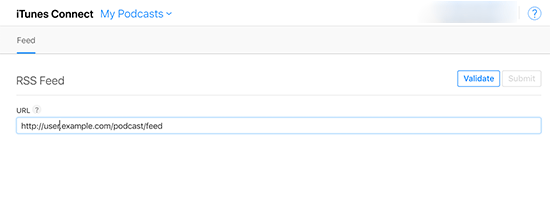
On the next screen, enter your podcast feed URL and click on the Validate button.

iTunes Submit

iTunes will now fetch your podcast information. Click on the Submit button to continue.

iTunes will now review your podcast submission and you’ll be notified via email once it is approved.

How to Submit Your Podcast to Google Podcasts

Google Podcasts is Google’s alternative to Apple Podcasts and iTunes.

To submit your podcast, you need to visit Google Play Music website and click on the Publish buttonn.

Publish Google Podcast

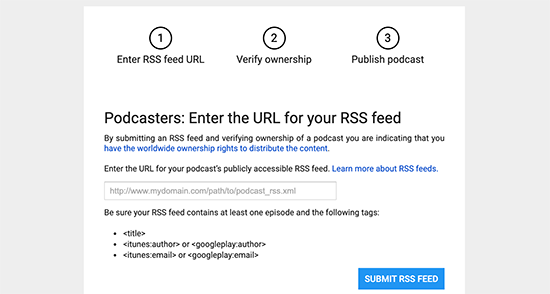
This will take you to Podcast management console where you need to enter your Podcast feed URL.

Submit podcast feed

Next, you will need to verify ownership via email and submit your podcast feed for review. Once approved your Podcast will get listed on Google Podcasts.

Promoting your podcast on your own website

Having a WordPress website for your podcast gives you a ton of options to promote your podcast.

First, we will recommend you to follow our WordPress SEO guide to make sure that your podcast website is getting the search traffic.

Now as people start visiting your website, you will notice that most of them just leave without subscribing to your podcast. This is where email marketing comes in.

You need to start an email newsletter which allows users to subscribe to your podcast via email.

Many beginner podcasters find a ton of new listeners and subscribers by running a giveaway contest. We recommend using RafflePress which is the best WordPress giveaway plugin. It allows you to create viral giveaway contests that help you quickly get more visitors to your website.

For more tips, see our guide on how to increase website traffic and more visitors to your site.

We hope this article helped you find the best podcast hosting service to launch your podcast. You may also want to see our guide on how to create a professional business email address to outreach to sponsors and a virtual business phone number to go along with your podcast.

Last but not least, check out our guide on the must have WordPress plugins to grow your website.

If you liked this article, then please subscribe to our YouTube Channel for WordPress video tutorials. You can also find us on Twitter and Facebook.

The post 7 Best Podcast Hosting for 2019 Compared (Most are Free) appeared first on WPBeginner.


October 04, 2019 at 05:23PM

Thursday, October 3, 2019

How to Fix WordPress RSS Feed Errors

Are you encountering RSS feed errors on your WordPress site? RSS feeds help users subscribe to your blog using news reader apps like Feedly.

Since RSS feeds are published in the XML markup language, a tiny mistake in the feed can make it unreadable, and users will not be able to see new content in their news feeds.

Other apps also rely on getting content updates from your WordPress RSS feed. For example, if you use IFTTT to automate social sharing of your new posts, then that would stop working as well.

In this article, we will show you how to easily fix RSS feed errors in WordPress. We will also talk about what causes those errors and how to avoid them in the future.

Fixing WordPress RSS feed errors

Most Common WordPress RSS Feed Errors

Most common WordPress RSS feed errors are caused by poor formatting.

WordPress outputs RSS feeds in XML which is a strict markup language. A missing line break or an extra tab can break your RSS feed.

The RSS error message will look something like this:

XML Parsing Error: XML or text declaration not at start of entity
Location: http://example.com/feed
Line Number 2, Column 1:

Depending on what browser you are using, your RSS feed error message may vary.

You can also see this error message when visiting your feed in a browser.

Warning: Cannot modify header information – headers already sent by (output started at /home/username/example.com/wp-content/themes/twentysixteen/functions.php:433) in /home/username/example.com/wp-includes/pluggable.php on line 1228

If you are using FeedBurner, then your errors may look different.

Having said that, let’s take a look at what causes these RSS feed errors and how to fix them.

Manually Fixing RSS Feed Errors in WordPress

The most likely reason for your RSS feeds to show error is poor formatting. This poor formatting can be caused by a blank space after closing PHP tag in a plugin or in your theme’s functions.php file.

If you recently added a code snippet to your theme or child theme‘s functions.php file. Then you need to edit your functions file.

If there is a closing PHP tag at the end of your functions file, then you need to make sure that there is no extra space or line breaks after it.

Ideally, the closing PHP tag is not required at the end of the file. This is why it would be best if you remove the closing php tag altogether.

This should fix the problem in most cases. However, if it does not fix your RSS feed error, then continue reading.

Disable RSS Feed Related Plugins

If you are using a WordPress plugin that modifies your website’s RSS feed or creates a new one, then you need to disable that plugin.

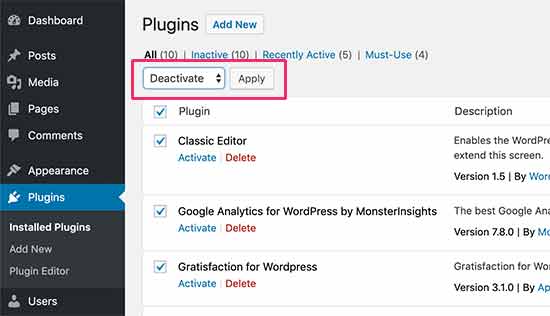
If you are unsure, then you can temporarily disable all WordPress plugins.

Deactivate all WordPress plugins

Next, check your RSS feed for the error. If the error disappears, then this means one of the plugins installed on your website was the culprit.

You can now reactivate your installed plugins one by one and check your RSS feed after activating each plugin. This way you will be able to find out exactly which plugin is causing the issue.

Once you have located the plugin, you can contact the plugin’s support for an update or find an alternative plugin that does the same thing.

Temporarily Switch to a Default Theme

Occasionally, a poorly coded WordPress theme function can also affect your WordPress RSS feed. To see if the problem is caused by your WordPress theme, you need to temporarily switch to a default WordPress theme.

Simply go to Appearance » Themes page and if you already have a default theme installed then activate it.

Activate default WordPress theme

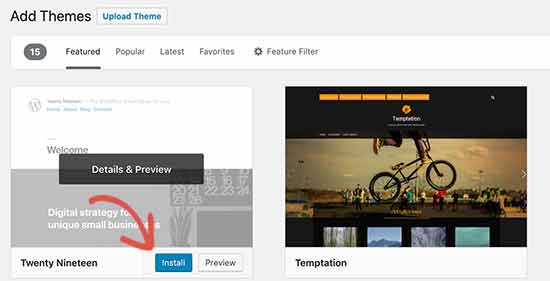
Default themes include Twenty Nineteen, Twenty Seventeen, Twenty Sixteen, and so on. If you don’t have one installed on your website, then you can click on the Add New button to install and activate it. See our guide on how to install a WordPress theme for step by step instructions.

Install and activate a default WordPress theme

After switching to the default theme, check your WordPress feed for error. You can visit your feed in a browser window or test it with a feed validator tool.

If the error disappears, then this means your WordPress theme was causing the issue. You can contact the theme author for support or find a suitable new theme for your website.

We hope this article helped you fix WordPress RSS feed errors on your site. You may also want to take a look at our guide on how to increase your website traffic and why you need to build an email list right away.

If you liked this article, then please subscribe to our YouTube Channel for WordPress video tutorials. You can also find us on Twitter and Facebook.

The post How to Fix WordPress RSS Feed Errors appeared first on WPBeginner.


October 03, 2019 at 04:00PM